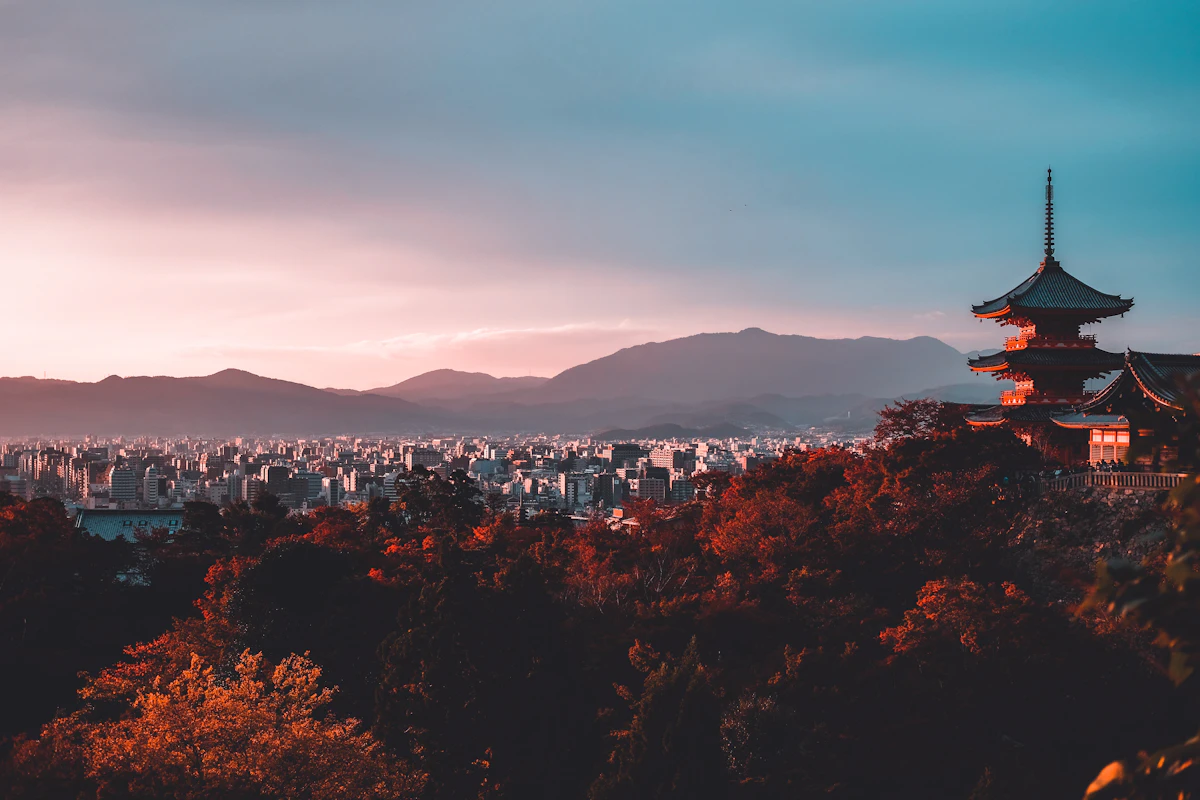
Planning a summer trip to Japan? Before you book those flights, here's what you actually need to know — the good, the sweaty, and everything in between.
Japan in summer (roughly June through August) is one of the most polarizing travel seasons. Some people call it magical. Others call it the biggest mistake of their trip. The truth? It depends entirely on what kind of traveler you are — and how well you prepare.
Let's break it down.
The Pros of Visiting Japan in Summer
1. Spectacular Festivals (Matsuri)
Summer is festival season in Japan, and nothing compares to it. From the thunderous taiko drums of the Gion Matsuri in Kyoto (July) to the explosive fireworks of Sumida River Fireworks Festival in Tokyo, summer is when Japan's cultural soul comes alive. You'll see locals in yukata (light summer kimono), street food stalls lining every shrine entrance, and a communal energy that simply doesn't exist at other times of year.
2. Obon Season — A Rare Cultural Window
Mid-August brings Obon, Japan's ancestral remembrance holiday. Families return to hometowns, Bon Odori dances are performed in temple courtyards, and the country slows down in a deeply meaningful way. For travelers willing to venture outside the big cities, this is one of the most authentic cultural experiences Japan offers.
3. Lush, Dramatic Scenery
Japan's mountains, forests, and coastlines are at their most vivid green. Hiking trails in places like Nikko, the Japan Alps, and Yakushima Island are breathtaking. The contrast of deep green forests against blue skies makes for incredible photography.
4. Beach and Island Season
Japan's Okinawa islands and the Izu Peninsula become paradise in summer. Crystal-clear water, white sand beaches, and water sports — this is a side of Japan many tourists never see because they only visit Tokyo and Kyoto.
5. Longer Daylight Hours
More sunlight means more time to explore. You're not rushing back before dark at 4:30pm like you would in winter. Summer evenings in Japan are especially wonderful — the streets stay lively late, beer gardens open on rooftops, and evening temple visits feel cinematic.
6. Cheaper Flights (In Some Windows)
Outside of Golden Week (late April/early May) and peak Obon travel weeks, you can find surprisingly good flight deals compared to cherry blossom season (spring), which is arguably the most expensive time to visit Japan.
The Cons of Visiting Japan in Summer
1. The Heat and Humidity Are No Joke
This is the #1 thing people underestimate. Tokyo in July regularly hits 35°C (95°F) with humidity above 70–80%. Walking between train stations feels like stepping into a sauna. If you're not used to this kind of heat, it can genuinely ruin your trip. Older travelers, young children, or anyone with heat sensitivity should plan carefully.
What to do: Plan outdoor activities for early morning or evening. Carry a portable fan, electrolyte drinks, and cooling spray. Never skip hydration.
2. Rainy Season (Tsuyu) in June–Early July
Japan's rainy season typically runs from early June to mid-July. It's not dramatic monsoon rains — it's more like persistent grey drizzle that can last for days. Outdoor plans, hike itineraries, and photography trips can all be affected. The good news: indoor attractions like temples, museums, and shrines don't suffer, and crowds are lower than peak summer.
3. Massive Crowds at Key Sights
Summer is one of Japan's peak domestic travel seasons. Japanese families travel during school holidays, Obon brings mass movement across the country, and international tourism continues to surge. Expect long lines at Fushimi Inari, packed bullet trains, and fully booked ryokan (traditional inns).
What to do: Book accommodations and shinkansen tickets at least 2–3 months in advance. Visit popular sites at opening time or after 5pm.
4. Higher Accommodation Costs
Summer demand drives prices up, especially around the Obon holiday window (August 10–18 approximately). Budget-conscious travelers should plan this carefully.
5. Typhoon Risk (Late August–September)
Japan's typhoon season overlaps with late summer travel. While most typhoons don't make direct landfall, they can cause flight cancellations, train suspensions, and closed attractions. Travel insurance is strongly recommended for anyone visiting in August or September.
6. Air Conditioning Culture Shock
While every indoor space in Japan is aggressively air-conditioned (sometimes too cold), the transition between outdoor heat and indoor arctic blasts can cause fatigue and even illness. Pack a light layer for indoor environments.
So, Should You Visit Japan in Summer?
Yes, if you:
- Love festivals, cultural events, and nightlife
- Don't mind heat and have experience with hot/humid climates
- Plan to visit beaches or do mountain hiking
- Are flexible and enjoy a lively, energetic atmosphere
Think twice if you:
- Have low heat tolerance or health conditions sensitive to heat
- Want quiet, uncrowded experiences at top tourist sites
- Are visiting primarily for photography of iconic outdoor locations
- Are traveling with very young children or elderly family members
Our Top Summer Tips
- Stay hydrated constantly — Japan has vending machines everywhere, use them
- Travel light on clothing — linen and moisture-wicking fabrics are your best friends
- Book everything early — accommodations, trains, and popular restaurants fill up fast
- Embrace the evenings — some of Japan's best summer moments happen after sunset
- Consider Hokkaido — Japan's northernmost island is significantly cooler in summer and absolutely stunning
Summer in Japan is not for everyone — but for the right traveler, it's unforgettable. The festivals alone are worth the sweat.
Written by the Japan Travel 101 team — a JP/EN bilingual couple based in Japan.